
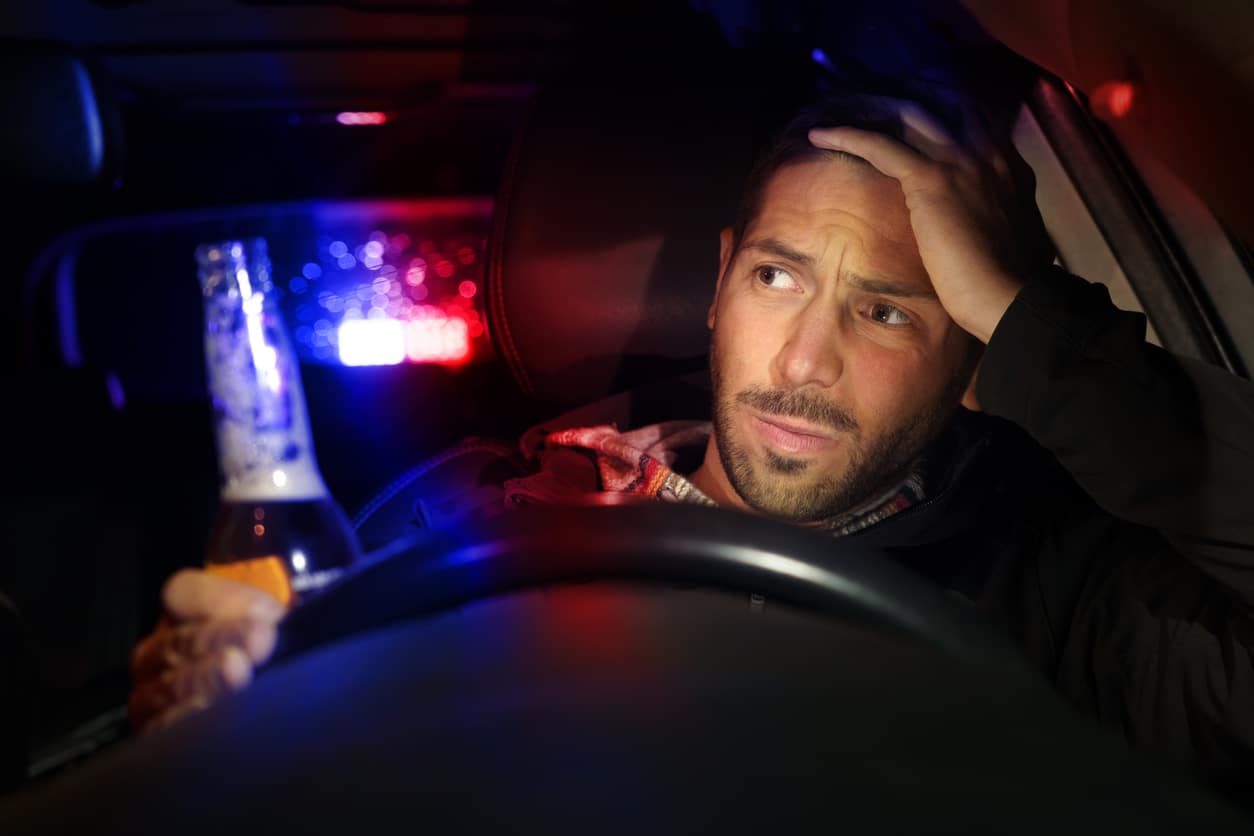
Arrested For DUI But No Ticket: Why You May Not Have a Citation


Getting arrested for DUI is a frightening experience. But for many people in Washington, the confusion doesn't end at the police station. Days or even weeks go by, and there's no DUI ticket, no court date, and no formal paperwork saying a DUI charge has been filed. It's natural to wonder what happened, and whether the case might just go away on its own. The short answer is that it probably won't. Understanding why some DUI arrests come with a ticket and others don't is critical, because the absence of a citation doesn't mean the absence of serious legal consequences already in motion.
Two Ways DUI Cases Get Filed in Washington
In Washington, there are two primary methods for initiating a DUI charge, and which one applies depends largely on the policies of the local prosecuting agency. The first method is a citation issued by the officer and given to the arrested person. In this scenario, the arresting officer writes a ticket for DUI, which functions as a criminal complaint filed directly with the court, and “serves” it on the arrested person. When this happens, an arraignment must be scheduled quickly as court rules impose strict timelines. Some courts are equipped to handle this fast turnaround.
Many are not, which is why the second method is prosecutor-initiated filing. Here, the officer does not write a DUI citation. Instead, the police send their reports to the local prosecutor's office. A filing deputy reviews the case for probable cause, determining whether there is enough evidence to move forward. If the deputy decides to file, the defendant is notified by mail with a summons and arraignment date. In this scenario, the DUI Statute of Limitations allows up to two years from the arrest for the filing of the case.
Most jurisdictions in Washington now use the second method. It gives prosecutors more control over their caseloads and allows courts to manage scheduling more efficiently. But it also means that many people who are arrested for DUI leave the police station without a ticket in hand, and without a clear understanding of what comes next.
The Hidden Danger: Missing the DOL Hearing Deadline
This is where the real problem begins. When there's no physical DUI ticket, many people don't realize they still have an urgent deadline to meet. At the time of a DUI arrest involving a breath test over the legal limit or a breath test refusal, the officer provides a form for requesting a Department of Licensing (DOL) administrative hearing. This form is not a ticket. It doesn't look like one. It's a large piece of paper that can easily be overlooked or set aside, especially in the stress and confusion following an arrest.
But that form is critically important. A driver has only seven days from the date of arrest to submit the hearing request, along with the required fee, to the Department of Licensing. Missing that deadline means losing the right to challenge an administrative license suspension. The suspension moves forward automatically, separate from and in addition to any criminal penalties that may follow. Too many people walk away from a DUI arrest without a citation and assume nothing is happening. They don't look closely at the paperwork they were given. By the time they realize the DOL form needed to be sent in, the seven-day window has already closed.
Why DUI Charges Can Take Months — or Even Years
When the prosecutor-filing method is used, there is no guaranteed timeline for when charges will actually be filed. In some jurisdictions, the process moves relatively quickly. In others, it does not.
In Snohomish County, for example, it is not uncommon for DUI charges to take nearly two years to be filed — even in cases where the police already have a breath test result, a complete report, and video evidence from the night of the arrest. The reasons for these delays are not always clear, but the result is that drivers spend months believing they may not be charged, only to receive notice just before the statute of limitations expires. Whether the case involves a breath test or a blood draw can also affect the timeline. Blood test results take longer to process, which can add weeks or months before the prosecutor's office even has all the evidence it needs to make a filing decision.
The Statute of Limitations and Due Process
Washington's statute of limitations for a standard DUI is two years. Prosecutors can file charges at any point within that window — including on the very last day. As long as they file within the deadline, the case can proceed. A lengthy delay in filing can raise due process concerns, but courts generally require the defendant to show that the delay caused actual harm. That typically means demonstrating that critical evidence was lost or witnesses became unavailable due to the delay in filing.
This is where an experienced defense attorney's early involvement becomes essential. A lawyer who gets on the case shortly after the arrest can begin preserving evidence, identifying witnesses, and obtaining video footage before it disappears. This diligent early work strengthens the overall defense — though it can also complicate a later argument that the filing delay caused prejudice, since the evidence was already preserved. These are the kinds of strategic considerations that require careful legal judgment from the very beginning of a case. Attorney Jon Fox, author of Defending DUIs in Washington, has navigated these exact timing issues across jurisdictions for over 40 years.
What to Do After a DUI Arrest — Even Without a Ticket
The absence of a DUI citation should never be treated as a sign that everything is fine. Anyone arrested for DUI in Washington should take the following steps immediately:
- Review all paperwork from the arrest carefully. Look for the DOL hearing request form and understand the seven-day deadline.
- Submit the DOL hearing request on time. Missing this deadline results in automatic license suspension with no opportunity to challenge it.
- Consult with a DUI attorney as soon as possible. An experienced lawyer can begin building a defense, preserving evidence, and advising on both the administrative and criminal sides of the case.
- Do not assume charges won't be filed. The prosecutor may take weeks, months, or even close to two years to file. Silence from the court does not mean the case has been dropped.
Protect Your Rights from Day One
A DUI arrest without a ticket can create a false sense of security. The reality is that critical deadlines are running, evidence can disappear, and charges can surface long after the arrest itself. The sooner a knowledgeable attorney is involved, the better positioned a driver is to protect both their license and their future.
If you were arrested for DUI in Washington and never received a citation, don't wait for charges to appear in the mail. Contact The Fox Law Firm today. With over 40 years of experience defending DUI cases across Washington and as the co-author of Defending DUIs in Washington, Attorney Jon Fox understands how these cases are processed at every level, from local police departments to county prosecutors' offices. Contact us today by calling (425) 584-6649 for a complimentary consultation.
