
Can Police Impound Your Car After a DUI Arrest in Washington?


Getting arrested for a DUI is stressful enough without the added shock of watching your car get towed away. For many drivers in Washington, the question of whether police can impound your car after a DUI arrest is one of the first things on their mind. The answer depends on the circumstances, and on a landmark Washington Supreme Court ruling that changed the way police handle vehicle impoundment in DUI cases.
Police Can Impound Your Car, But Not Automatically
Washington law once required officers to impound a vehicle whenever a driver was arrested for DUI. That changed after the Washington State Supreme Court struck down the mandatory impoundment statute, finding that it violated the privacy protections guaranteed under article I, section 7 of the Washington State Constitution. The court held that mandating warrantless vehicle seizures, without requiring officers to consider whether reasonable alternatives existed, was unconstitutional.
As a result, officers can no longer impound a vehicle simply because the driver was arrested for DUI. Instead, they must first determine whether there is a reasonable alternative to impoundment. In practice, this means the officer will ask if there is someone who can come pick up the car, someone who has not been drinking and can arrive within a reasonable amount of time.
What Happens at the Scene of a DUI Arrest
The process typically unfolds quickly. After making the arrest, the officer will ask whether there is a sober person available to come get the vehicle. If the answer is yes, the officer will usually call that person on the spot and wait a reasonable amount of time for them to arrive. Though in some situations, such as when a vehicle is stopped on the side of a freeway and creating a safety hazard, that window may be shorter.
However, if no one is available, the officer is free to impound the vehicle. There does not need to be much effort involved. The constitutional requirement is that the officer make a reasonable attempt to find an alternative, not an exhaustive one. If no sober driver can be reached or no one is willing to come, impoundment is the default outcome.
Why Washington's Impoundment Law Exists
The original mandatory impoundment statute grew out of tragedy. The law was enacted after a person who had been released from DUI custody returned to their un-impounded vehicle, drove again, and seriously injured someone. The legislature responded by requiring automatic impoundment for all DUI arrests, aiming to prevent exactly that kind of outcome.
The Washington State Supreme Court later determined that while the legislative goal was valid, the statute went too far. Requiring impoundment in every case — without allowing officers to exercise any judgment or consider alternatives — crossed a constitutional line. The court emphasized that Washington's privacy protections require individualized consideration before the government seizes a person's property.
How Often Are Cars Actually Impounded After a DUI?
Despite the constitutional protections, vehicle impoundment after a DUI arrest remains common. In practice, a significant number of those arrested for DUI still have their cars towed. The reason is straightforward: many people who are out drinking are with friends who have also been drinking. When the officer asks if someone sober can come get the car, there often is no one available.
The exception tends to involve family members. A parent, spouse, or other relative who was not out that evening can sometimes be reached to come pick up the vehicle. But not everyone wants to make that call, and not every family member is able to get there quickly enough. When no viable option presents itself, impoundment follows.
Where Does Your Car Go After a DUI Impound?
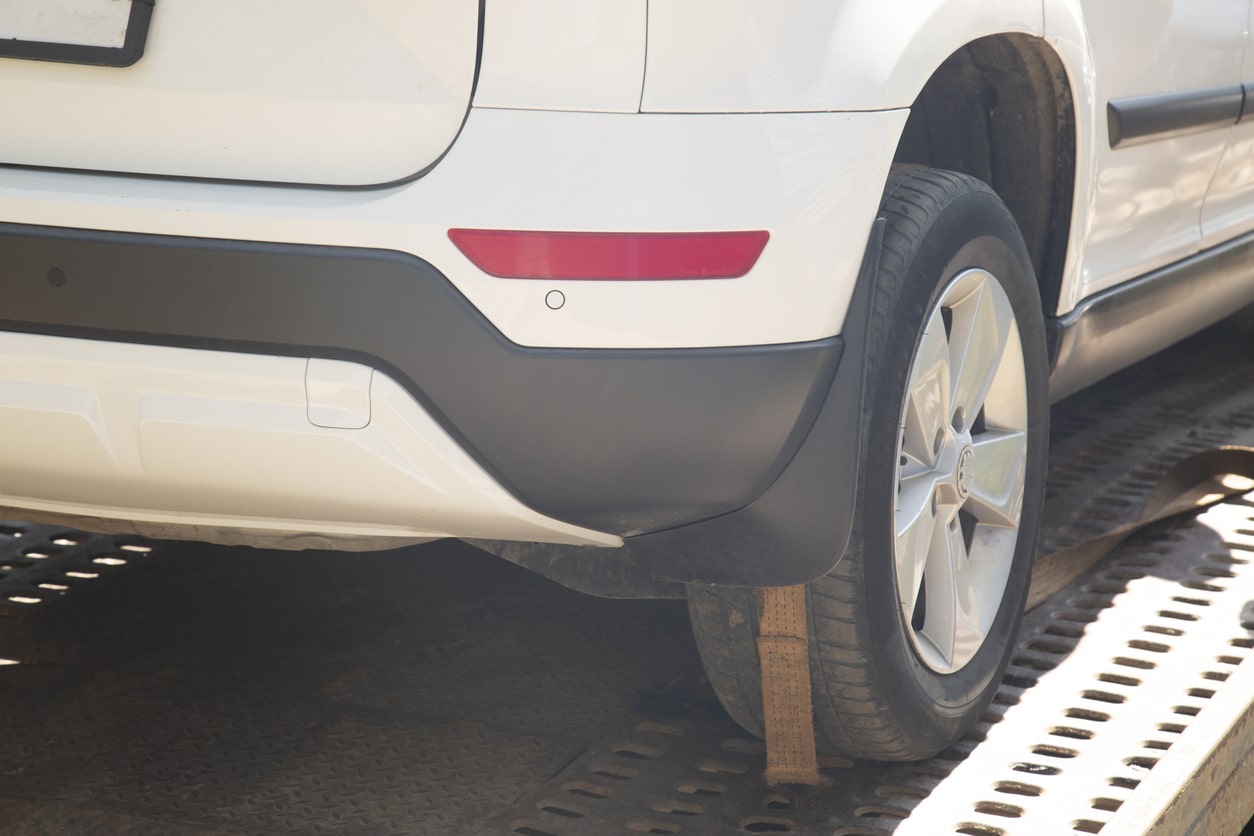
Once a vehicle is impounded, it is towed to a private tow yard. The Washington State Patrol, for example, uses a rotating list of three or four tow companies, which means a car can end up at a yard some distance from where the arrest took place, sometimes as far as twenty miles away. The arrested driver should receive an impound document at the time of arrest that identifies where the vehicle is being taken. If that paperwork is missing or unclear, the information can usually be obtained by contacting the arresting agency.
Getting the car back requires the registered owner (or a person with written authorization from the registered owner) to appear at the tow yard in person. There is also a mandatory twelve-hour hold — beginning when the vehicle arrives at the tow yard storage facility — before the vehicle can be released to the arrested driver. The twelve-hour hold begins when the vehicle arrives at the impound lot and is entered into the operator’s master log. Tow and storage fees accumulate during this time, adding to the financial burden of a DUI arrest.
The Risk of an Inventory Search
There is another consequence of impoundment that many people do not consider. When police impound a vehicle, they are permitted to conduct an inventory search — a cataloging of the vehicle's contents that is framed as a way to document property and protect the department from liability claims. Under Washington law, an inventory search of a lawfully impounded vehicle is a recognized exception to the warrant requirement. Officers do not need the driver's or owner's consent to conduct one, and there is no option to "waive" it.
However, if officers discover contraband, weapons, or other evidence of criminal activity during that inventory, those items can absolutely be used to file additional charges. What started as a DUI arrest can quickly become a more serious legal situation. While officers may not always conduct a thorough inventory — particularly when the vehicle is simply being turned over to a private tow company — the possibility exists, and it is something every driver should be aware of.
Protecting Your Rights After a DUI Arrest in Washington
A DUI arrest sets off a chain of events that extends well beyond the criminal charge itself. Vehicle impoundment, tow fees, potential inventory searches, and the scramble to retrieve your car are all part of the process. Understanding how the law works, and knowing that officers are constitutionally required to consider alternatives before seizing a vehicle, can make a meaningful difference in how the situation unfolds.
If you have been arrested for DUI in Washington, the decisions made in the hours and days that follow can shape the outcome of your case. Having an experienced DUI defense attorney review the details of your arrest, including how your vehicle was handled, is an important step in protecting your rights. With over four decades of experience and as the co-author of Defending DUIs in Washington, Attorney Jon Fox has handled thousands of DUI cases and understands every aspect of the process — from the traffic stop to the courtroom. Contact The Fox Law Firm today. Call (425) 584-6649 for a complimentary consultation and take the first step toward building a strong defense.
